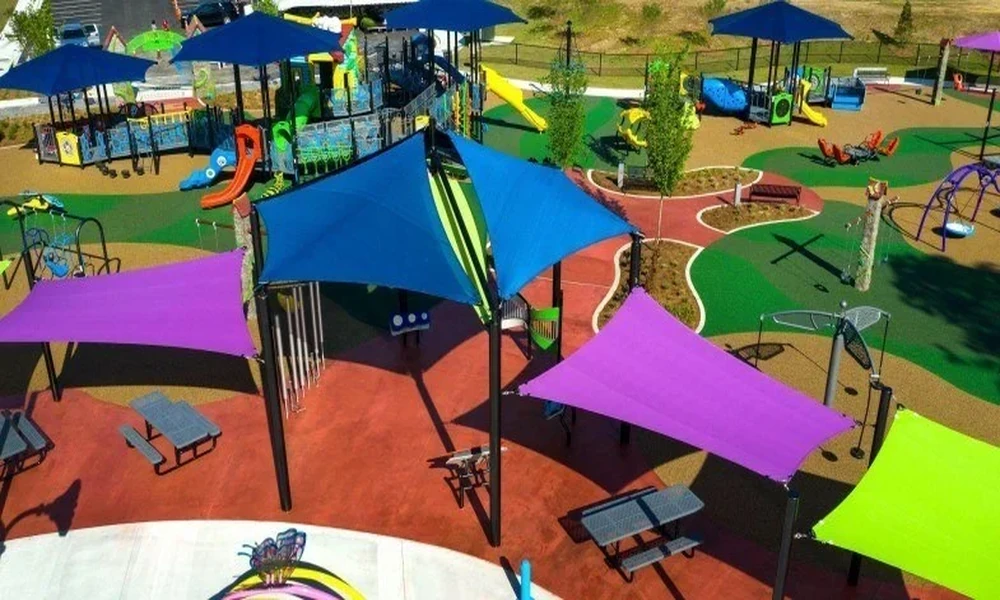
Beneath the midday sun, a welcoming patch of shade can transform a public park from a scorched expanse into the beating heart of a neighborhood. The right shade structure does more than shelter from UV rays; it invites play, learning, and connection, creating social spaces where communities thrive.
Understanding the Importance of Shade in Community Social Areas
Sun protection is non-negotiable when designing outdoor environments. Children, older adults, and everyone in between are vulnerable to heat stress and sunburn, so effective shade is as much about health as it is about comfort. Quality shade structures offer a tangible reduction in surface and ambient temperatures, making playgrounds and parks usable for longer stretches each day.
Beyond the physical benefits, shaded areas become irresistible gathering spots. Whether it’s a family picnic, an outdoor fitness class, or spontaneous play, the comfort of a cool retreat encourages people to linger and connect, weaving social fabric across generations.
Case Study: Implementing Shade Solutions at a Local Community Park
A community park in a busy suburb faced declining attendance during summer months. Parents cited overheated play equipment and a lack of respite from the sun as key issues. After consulting with residents, planners evaluated both steel shelters and fabric shade sails.
Steel shelters, robust and permanent, offered all-season protection that could withstand harsh weather and required minimal upkeep. Meanwhile, fabric shade sails promised flexibility, a seasonal solution easily installed and removed, ideal for concrete school yards or temporary event setups.
Material and Design Considerations for Shade Structures
When weighing options, the choice of material is critical. Steel shelters are engineered for longevity, resisting rust and vandalism. Fabric shade sails, on the other hand, harness modern materials designed to block harmful UV rays, resist tearing, and add bursts of color to the landscape.
Customization is another major consideration. Contemporary providers allow for a palette of over 50 fabric colors and a range of geometric shapes, ensuring the final structure matches not just functional needs but also the visual identity of the space. For environments that require different uses throughout the year, removable sails or adaptable steel frameworks provide valuable flexibility.
Functional Benefits Beyond Shade
Shaded spaces unlock a wealth of opportunities. Children enjoy safer, cooler playgrounds, while adults find pleasant spots for relaxation, conversation, or outdoor dining. Outdoor classrooms and exercise spaces flourish in these environments, supporting physical and mental wellness for all ages.
Community events rely on reliable shelter. Farmers’ markets, concerts, or fitness boot camps thrive under structures that buffer wind and sun, creating worry-free venues that draw crowds and encourage social participation. Integration of fitness equipment or accessible features further enhances the utility of these shaded environments.
Maintenance, Longevity, and Warranty Insights
Investing in shade is a long-term decision. Both steel and high-performance fabrics should come with substantial warranties against UV degradation, rot, and tearing; some offer up to 15 years of coverage. Quality installation is equally essential, with attachment hardware and professional fitting ensuring safety and structural integrity.
For example, a set of shade sails installed five years ago at a local care home has maintained its vivid color and tensile strength, requiring only routine inspections and occasional cleaning to remain in top shape.
Environmental and Aesthetic Impact
A thoughtfully selected shade solution can become a visual landmark, adding sculptural interest and vibrant color to otherwise bare outdoor areas. Sustainable manufacturing, recyclable materials, and efficient installation methods all contribute to the environmental footprint, turning shaded spaces into symbols of eco-conscious development.
Budgeting and Planning for Shade Structures in Community Projects
Cost varies widely depending on material, size, customization, and installation needs. Fabric sails are often more economical upfront and suitable for flexible or temporary uses. Steel shelters represent a larger initial investment but offer unmatched durability.
Funding can come from municipal budgets, grants, or local partnerships. Involving the community in selection ensures that the final result is both practical and beloved, increasing use and stewardship over time.
Lessons Learned and Best Practices from Real-world Installations
Feedback from users consistently highlights the importance of shade in making outdoor spaces inclusive and comfortable. Factors like ease of installation, color selection, and adaptability to different site conditions are crucial in achieving long-term success.
Tips for selecting the right solution:
– Assess sun patterns and site-specific needs before choosing materials.
– Prioritize professional installation for safety and warranty compliance.
– Consider both aesthetic impact and functional requirements.
Looking forward, trends point toward even more creative, energy-efficient designs that turn public spaces into destinations. Experts suggest that Inspire Play shade structures can be tailored to meet the unique needs of each community, blending safety, beauty, and flexibility for years to come.